Have you ever wrapped up a hectic day and wondered, What did I actually accomplish?
You’re not alone. Many professionals mistake being busy for being effective. It’s an easy trap to fall into, especially for new managers who believe that doing the work themselves equates to leadership. Spoiler alert: it doesn’t. True leadership lies in guiding your team, aligning their efforts with strategic objectives, and ensuring they are equipped to deliver results.
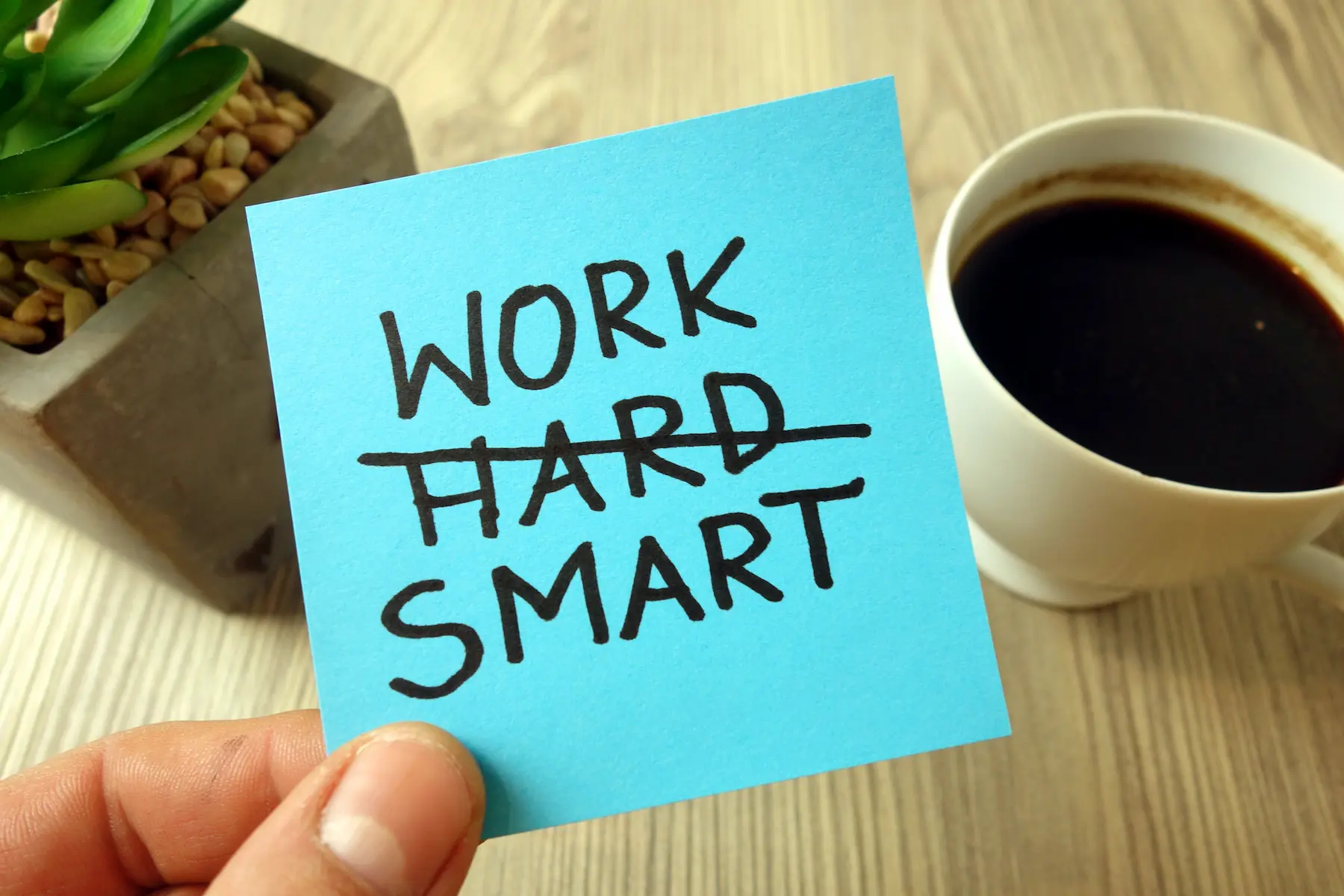
Great managers don’t just work hard—they work smart. They step back, assess the big picture, and focus their energy on activities that drive meaningful outcomes. Here’s how you can shift from being busy to truly effective.
Recognize the Difference
Busy people:
- Juggle multiple tasks at once but rarely finish them.
- Say yes to every request.
- Focus on putting out fires instead of preventing them.
Effective people:
- Prioritize tasks based on impact.
- Delegate and trust their team.
- Invest time in strategic planning and long-term goals.
So, how do you transition to being effective? Let’s explore some proven tools and methods.
The Eisenhower Matrix: Urgent vs. Important
This classic tool helps you categorize tasks by urgency and importance, enabling you to focus on what truly matters.
How It Works: The Eisenhower Matrix divides tasks into four quadrants:
- Urgent & Important: Tasks that require immediate action (e.g., crises, pressing deadlines).
- Not Urgent & Important: Tasks that contribute to long-term success (e.g., strategic planning, skill development).
- Urgent & Not Important: Tasks that feel pressing but can often be delegated (e.g., routine emails, minor approvals).
- Not Urgent & Not Important: Time-wasters to eliminate or postpone (e.g., excessive social media scrolling).
By focusing on Quadrant 2, you proactively invest in activities that yield significant results over time, avoiding the constant firefighting of Quadrant 1.
The Ivy Lee Method: Simplicity Drives Results
This method dates back to 1918, when productivity consultant Ivy Lee shared it with Charles Schwab, then-president of Bethlehem Steel Corporation. The approach is as simple as it is powerful:
- At the end of each workday, write down the six most important tasks for tomorrow.
- Prioritize these tasks by importance.
- Focus solely on the first task until it’s complete before moving to the next.
- Repeat daily.
Schwab’s team saw such remarkable results that he paid Lee $25,000 for a 15 minute consultation with his executives—the equivalent of over $500,000 today. The takeaway? Simplicity and focus can transform your productivity.
Mindset Matters: The Right People Doing the Right Things
Tools like the Eisenhower Matrix and Ivy Lee Method are only effective when paired with the right mindset. Jim Collins, author of Good to Great, emphasizes the importance of having “the right people in the right seats, doing the right things right.”
Take a moment to reflect:
- Are you and your team clear on the goals?
- Are you channeling your efforts into activities that align with those goals?
- Are you focusing on quality over quantity?
Why Now Is the Time to Act
As the New Year approaches, there’s no better time to evaluate your effectiveness. The demands of work aren’t slowing down, but your ability to prioritize and focus can make all the difference.
Consider these questions as you gear up for 2025:
- Are we achieving our goals?
- If not, are we putting in the right effort?
- Are we busy being busy, or are we working on what truly matters?
Your Call to Action
Don’t let another year pass where busyness overshadows effectiveness. Start small. Implement one productivity tool or method today. Share it with your team. Encourage a culture of intentional focus.
And remember, this isn’t a solo journey. Let’s learn from each other. How do you stay effective and avoid the busyness trap? Share your strategies in the comments. Together, we can make 2025 the year of working smarter, not harder.
Soar, don’t settle!