
The other day, someone asked me, “How do you learn to be a good leader?”
It caught me off guard. I responded, “Well, how do you define good?”
They didn’t have an answer. Neither did I. But the question stuck with me.
As I thought about it, I realized that good might not be the right word. Maybe what we’re really striving for is effective. And over the years, three ideas have come to define effective leadership in my mind:
- Self-awareness: Understanding your purpose and acknowledging the inputs that have shaped you into the person you are.
- Commitment to growth: Recognizing that leadership isn’t a destination—it’s a lifelong journey.
- Human connection: Appreciating that every person you lead has a life full of stories, experiences, and emotions that make them who they are.
But still, the “how do you learn” part of the question lingered.
At first, my instinct was the usual: read books, take courses, study great leaders. Sure, that’s part of it. But it didn’t feel complete. Then I stumbled across a quote from the Dalai Lama that hit me square in the chest:
When asked what surprised him most about humanity, the Dalai Lama answered, “MAN! “Man sacrifices his health in order to make money. Then he sacrifices money to recuperate his health. And then he is so anxious about the future that he does not enjoy the present…he lives as if he is never going to die, and then dies having never really lived.”
And it struck me: You don’t just learn to lead by studying leadership. You learn to lead by studying humanity.
Because at the heart of leadership is the human experience. And when you peel back the layers, we’re all just people trying to find meaning. We get distracted, we get it wrong, we chase what doesn’t matter. The best leaders understand this – deeply – and know how to meet people in that very human space.
Those who work in end-of-life care often reflect on how the so-called signs of success—status, wealth, title – fade into the background as one’s final days approach. In the end, most people are simply asking:
Did I live? Did I love? Did I matter?
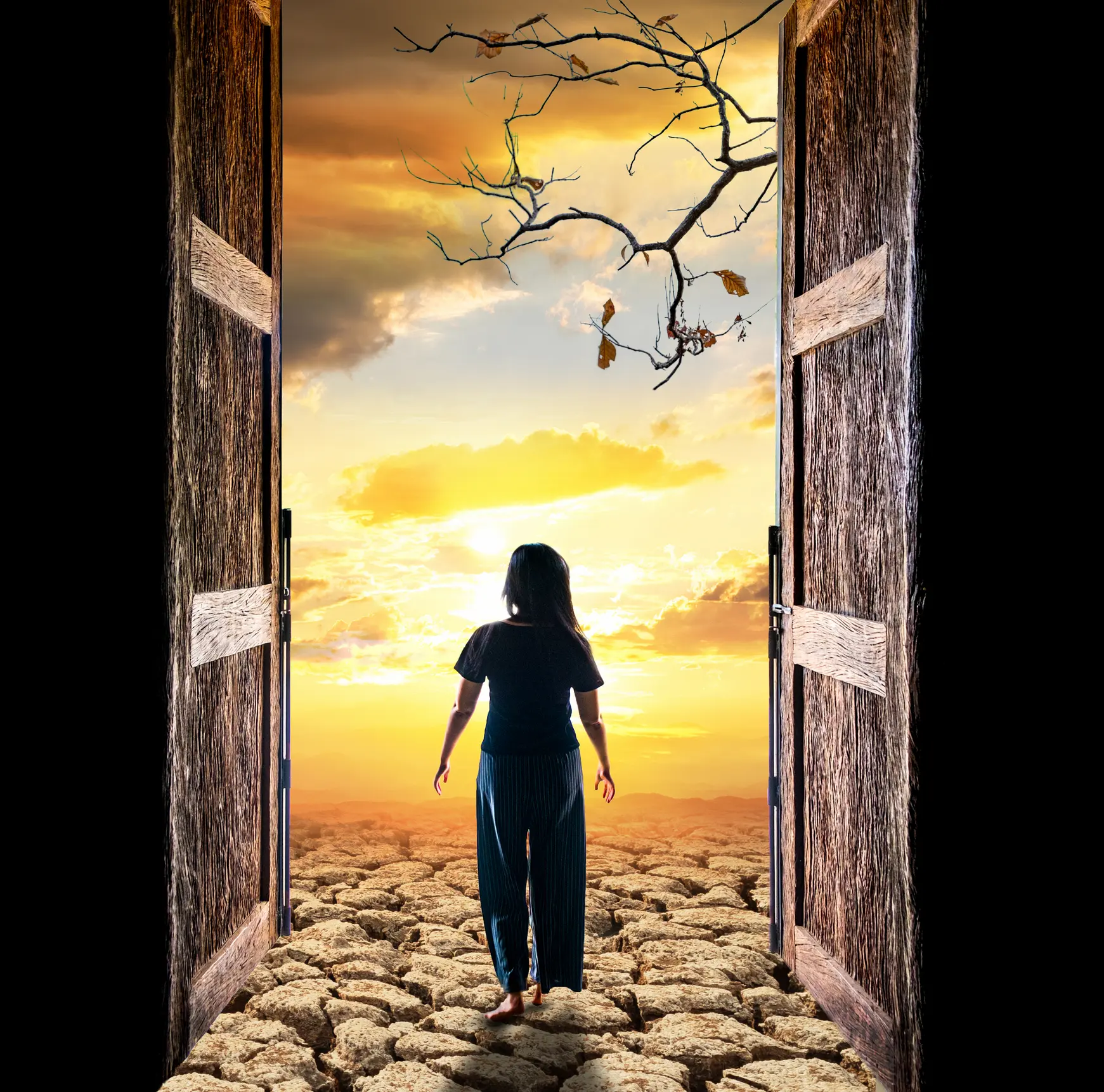
If you want to become a more effective leader, start by seeing people as people. Every individual is a room filled with experiences, emotions, triumphs, and heartbreak. But you’ll never get the full tour. That story is theirs to own.
What you can do is knock on the door and listen for what they’re ready to share. You might get a glimpse of what motivates them, what inspires them, or what they’ve overcome. And in doing so, you start to build trust, connection, and influence.
Matthew McConaughey captures this beautifully in Greenlights:
“Death, family crisis, and newborns. The end of life, trying to keep a life, and welcoming a new one. These are the three things that will shake your floor, give you clarity, remind you of your mortality, and hence, give you courage to live harder, stronger, and truer.”
We all experience those floor-shaking moments. And they remind us that leadership is less about managing outcomes and more about seeing people—really seeing them—and choosing to lead from that place of shared humanity.
So, how do you become a more effective leader?
Start with yourself. Open your own doors. Understand your own story. Then go knock gently on the doors of others. You may never know their full story—and you shouldn’t expect to—but honoring the fact that they have a story is where real leadership begins.
We are all, in one way or another, living the stories the Dalai Lama warned us about—sacrificing health, chasing security, forgetting to truly live. Or we’re standing in those life-defining moments McConaughey described. And it’s in those moments that leadership matters most.
What has shaped your leadership journey? How do you continue to grow as a leader? I’d love to hear your story.