
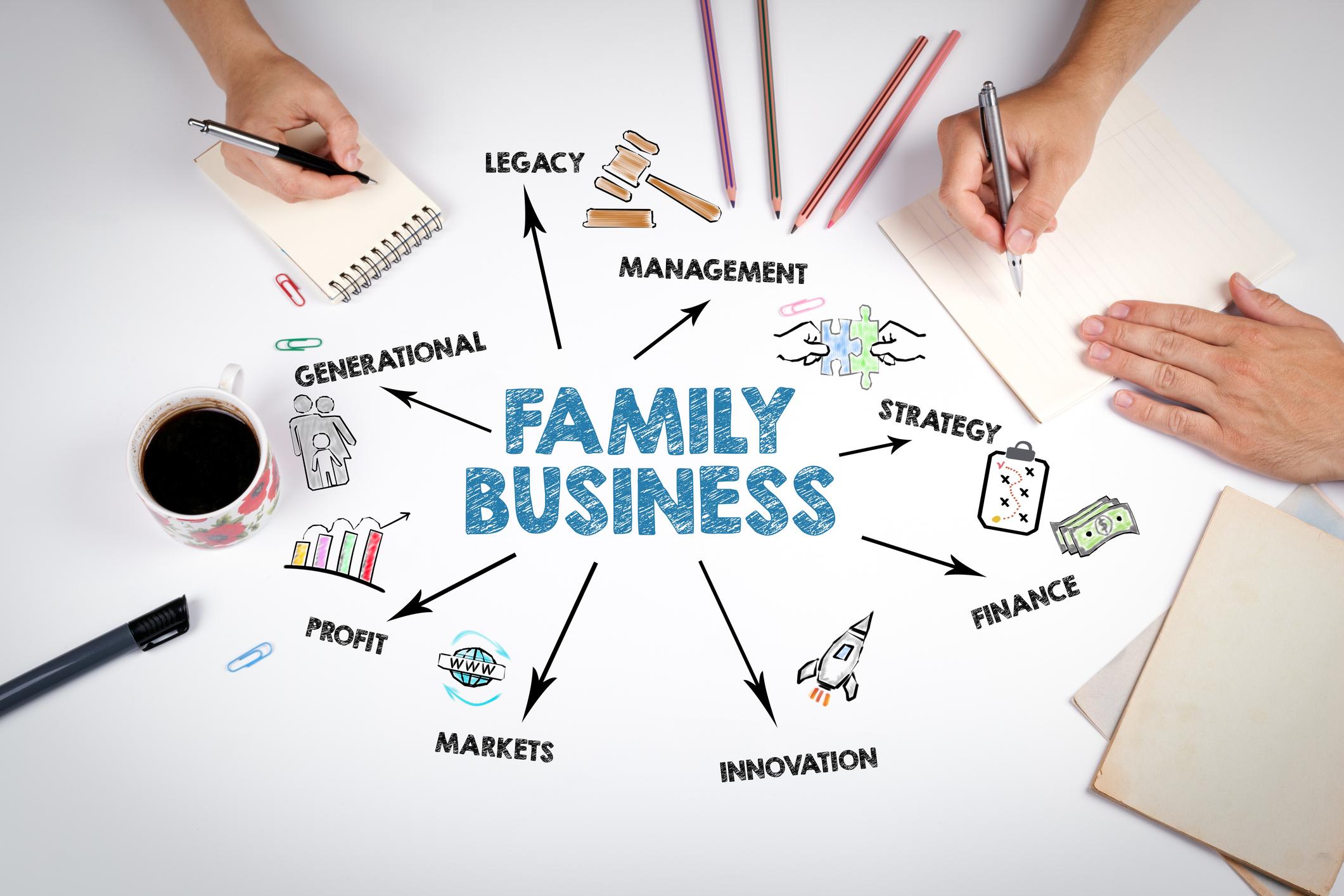
Let’s talk about family businesses this week. A bit of a diversion from our normal content, but there are lessons learned here about good communication, candid conversations and not being afraid to address the elephants in the room that can be applied to just about any organization.
You might be reading this and thinking “We all know the real threat to our family business’s long-term success lies outside these walls. Competition hums around every corner and we must do everything we can to strategize, plan and execute if we are going to continue our legacy as a successful family business.”
And so it goes…we all head off and do a marvelous job of focusing on the strategy, planning and execution… all the while, ignoring the unique challenges that we face as closely held family businesses.
Did you know that in the end, 90% of family businesses fail by the third generation?
I don’t want you to be one of them!
So, let’s talk about how to make your family-owned business as “fail-proof” as possible.
Of course, you need to run your family business like a business — focusing on strategy, operations, employees, customers and profits. These are just a few of the many things you have to do in order to run a successful company. BUT — there are additional areas that are even more important in family-owned businesses.
Despite your best efforts, the statistics just aren’t in your favor.
I learned a lot about family business from expert Scott Friedman . He taught me that it isn’t poor financial planning that takes most family businesses down. Instead, the vast majority fail because of poor communication, lack of trust and/or unprepared heirs.
The lesson here is clear: all of the financial and legal planning doesn’t make you fail-proof.
The real enemy lies within; it lurks in the shadows and exists right under our nose.
When we avoid having candid and, yes, sometimes difficult conversations with family members, we start down a path of dysfunction that is hard to leave.
However — it doesn’t have to be this way. You can do better, and here are tips for how to create a culture of communication that encourages meaningful discussion and healthy disagreements:
- Learn where each family member’s unique strengths lie and match them to the right roles for the company.
- Focus on fit, not convenience. Don’t try to put a round peg in a square hole. You can’t force fit, so take the time to truly determine who is the right person for each role. Think about whether they are interested in the role and if they even want to be in the family business.
- Create family councils, charters and other tools that focus on good governance best practices for your family business.
- Accept the fact that succession takes time and effort. It must be a process, not an event!
So much about running a successful, multi-generational family business comes down to building a culture of trust, vulnerability and honest conversations.
It’s not easy to do on your own, so don’t be embarrassed or afraid to get some help from someone who is trained in family systems theory.
This work lays far beyond the average business consultant and requires a highly skilled professional with experience in family systems.
One of my favorite experts in that field was Dr. Robert Pirelli, who sadly left this world way too young, and from whose council I benefited greatly.
There are a ton of other trained practitioners out there that I have high regard for, so if this topic resonates with you and is something you think you could benefit from, reach out and I’ll be happy to connect you.
Remember – Soar, Don’t Settle!